How-to
How to choose a flat iron
Published
Short answer
Choose plate width first: about 1 inch for most hair, 1/2 inch for short hair and bangs, and 1 1/2 to 2 inches for long or thick hair. Then pick plate material, decide between adjustable and fixed temperature, and check voltage if you travel. Finish with auto shut off, cord length and warranty terms.
Tools for this job
All 7 picks compared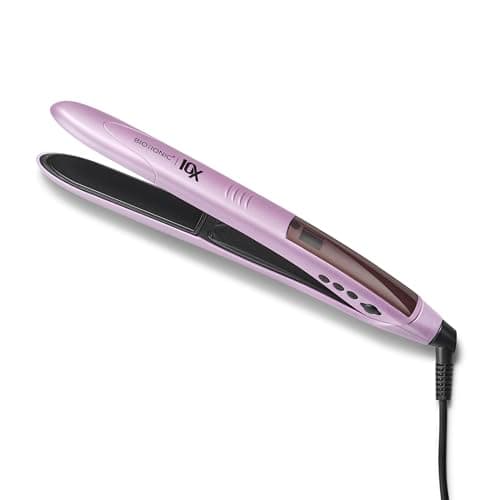
Bio Ionic 10X 1": sonic vibrating plates up to 450°F
See price on AmazonSee it on Amazon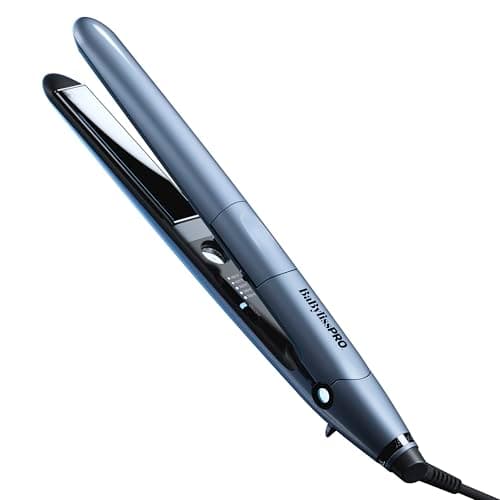
BaBylissPRO TrueTension 1": 465°F, 120V/240V
See price on AmazonSee it on Amazon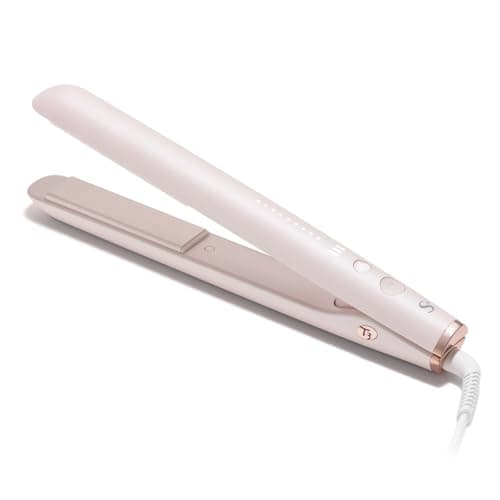
T3 SinglePass StyleMax 1": 9 settings and Curl Mode
See price on AmazonSee it on Amazon
Flat irons look alike, but a few specs decide whether one suits your hair. This page goes through them in the order that matters: plate width, plate material, temperature control, voltage, safety features and warranty. It uses real examples from premium brands like ghd, T3, BaBylissPRO, Bio Ionic and Dyson, with facts taken from their listings. It does not promise that any iron protects your hair; heat styling always carries some risk, and the habits you use matter as much as the tool. When you know what you want, the best flat irons guide has picks.
Step 1: plate width
Plate width is the single biggest fit factor. A 1 inch plate is the all rounder and handles straightening, bends and curls on most lengths. Narrow plates of about 1/2 inch reach short hair, bangs and the hairline. Wide plates of 1 1/2 to 2 inches cover more hair per pass, which helps on long or thick hair but makes curling and short hair harder.
Examples from listings: the ghd Mini Styler has 0.5 inch plates, the ghd Platinum+ and Gold are 1 inch, the BaBylissPRO Prima3300 is 1 1/2 inch and the ghd Max Styler has 2 inch plates. See the full flat iron size guide for more.
1/2 in plate
Pixie and very short
Short hair, bangs, edges and close to the root
1 in plate
Chin length
The all-rounder: straightens and curls most lengths
1 1/2 in plate
Shoulder length
Faster on thicker hair; still workable for waves
2 in plate
Long and thick
Covers long, dense hair in fewer passes; hard to curl with
1/2 inch
- Best for
- Pixies, short hair, bangs, edges
1 inch
- Best for
- Most hair, chin length to long, curls and waves
1 1/4 to 1 1/2 inch
- Best for
- Medium to long hair, faster straightening
2 inch
- Best for
- Long, thick or very dense hair, straightening only
| Width | Best for |
|---|---|
| 1/2 inch | Pixies, short hair, bangs, edges |
| 1 inch | Most hair, chin length to long, curls and waves |
| 1 1/4 to 1 1/2 inch | Medium to long hair, faster straightening |
| 2 inch | Long, thick or very dense hair, straightening only |
Step 2: plate material
Ceramic and ceramic coated plates are the most common. They are generally known for even heat and a smooth glide. Titanium plates heat quickly and are popular with stylists and for thick or coarse hair; BaBylissPRO's Nano Titanium irons are a well known example. Some irons add tourmaline or ionic features, which makers say help with frizz. Treat those claims as marketing language rather than a guarantee.
Neither material is right for everyone. Our ceramic vs titanium flat iron and what is an ionic flat iron pages explain the differences without the hype.
Step 3: temperature control
Adjustable irons let you match heat to your hair. Typical maker guidance runs about 250 to 300°F (121 to 149°C) for fine or color treated hair, 300 to 380°F (149 to 193°C) for normal hair, and 380 to 450°F (193 to 232°C) for thick or coarse hair. Many professional irons go to 450°F; the BaBylissPRO Prima3100 listing says 465°F. Start low and go up only if needed.
Fixed temperature irons skip the dial. ghd stylers such as the Platinum+, Gold and Chronos are set at 365°F (185°C). That suits people who want simplicity, but you cannot turn the heat down for very fine hair or up for very coarse hair. The Dyson Corrale offers three settings; check Dyson's specs for your model. The temperature guide tool shows typical ranges by hair type.
Step 4: voltage and travel
If you travel abroad, look for dual or universal voltage. Listings for the ghd Platinum+ and Gold say universal voltage; the T3 SinglePass StyleMax lists auto world voltage; the BaBylissPRO TrueTension lists 120V/240V. A US only iron needs a voltage converter abroad, not just a plug adapter. See dual voltage explained and the best dual voltage hair tools.
Step 5: safety, cord and warranty
- Auto shut off: most premium irons switch off or sleep after a set time. Listings show 30 minutes on the ghd Platinum+ and 60 minutes on the BaBylissPRO TrueTension.
- Cord: a long swivel cord, often around 8 to 9 feet, makes styling the back easier.
- Plate guard or lock: handy for storage and travel.
- Cordless option: the Dyson Corrale can run cord free for up to 30 minutes per its listing, at a higher price.
- Warranty: lengths vary by brand and region. Several ghd listings state a 2 year warranty; check the maker's site for current terms. See hair tool warranties.
Match the iron to your hair
Put the steps together. Fine hair often suits a 1 inch iron with low adjustable settings. Thick or coarse hair often suits a wider plate with higher available heat. Natural and coily hair usually needs adjustable heat and good tension for a silk press. Short hair needs narrow plates. Our guides break this down: fine hair, thick hair, natural hair and short hair.
Frequently asked questions
What size flat iron should I buy? A 1 inch iron suits most people. Go narrower for short hair and bangs, wider for long or thick hair you only straighten.
Is a fixed temperature flat iron a good idea? It can be if your hair suits the set heat, which for ghd is 365°F (185°C). If your hair is very fine or very coarse, adjustable heat gives more control.
Ceramic or titanium: which should I choose? Ceramic is a common all round choice; titanium is often picked for thick or coarse hair. Plate width and temperature control usually matter more.
Do expensive flat irons damage hair less? No iron can promise that. Premium irons tend to offer more even heat and better temperature control, but heat, passes and prep still decide how your hair fares.
What you need for this
- See price on AmazonAmazon
Bio Ionic 10X 1": rounded barrel and sonic plates
From Best flat irons for every hair type, compared by plate and heat
- See price on AmazonAmazon
T3 SinglePass StyleMax 1": dedicated Curl Mode
 See price on AmazonAmazon
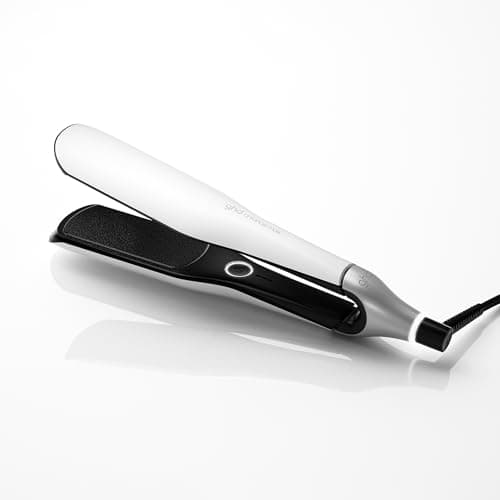
ghd Chronos Max: 2" plates at a fixed 365°F