Fix
Why your hair won't stay straight after a flat iron
Published
Short answer
Hair that will not straighten or puffs back up is usually not fully dry, is styled in sections that are too thick, gets fast passes instead of one slow pass, or meets humid air afterward. Dry hair completely, use thin sections with tension, slow your pass, let hair cool before touching it, and finish with an anti-humidity product.
Tools for this job
All 7 picks compared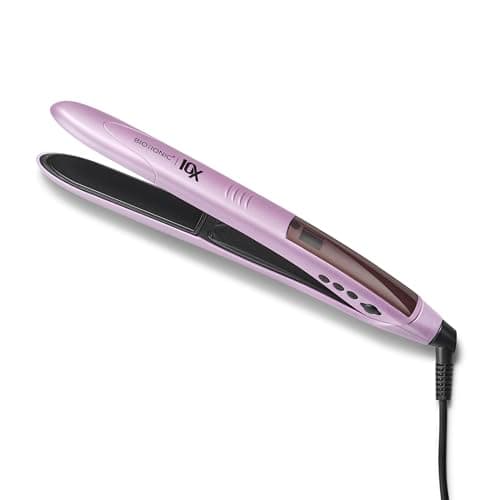
Bio Ionic 10X 1": sonic vibrating plates up to 450°F
See price on AmazonSee it on Amazon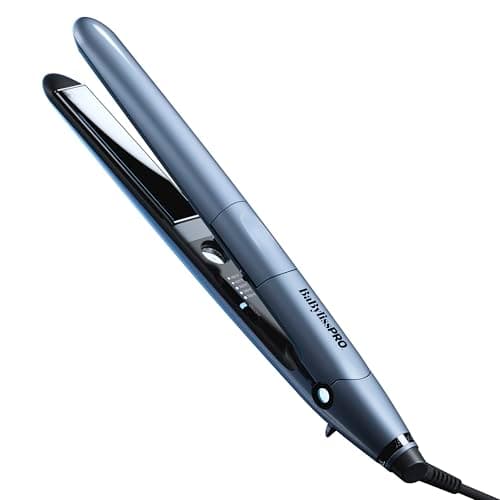
BaBylissPRO TrueTension 1": 465°F, 120V/240V
See price on AmazonSee it on Amazon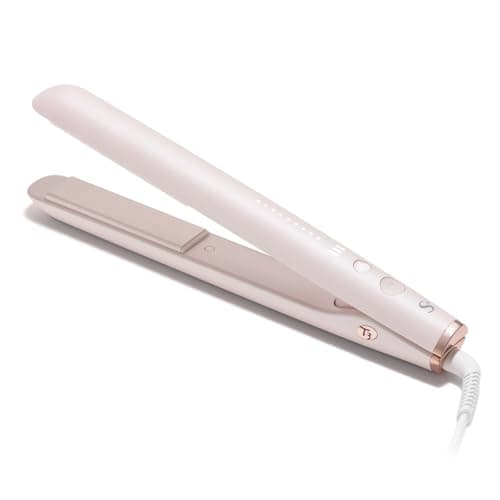
T3 SinglePass StyleMax 1": 9 settings and Curl Mode
See price on AmazonSee it on Amazon
This page is for anyone whose hair still looks wavy or frizzy right after flat ironing, or goes from sleek to puffy within hours. It covers the most common causes in order: moisture, technique, temperature, plates and products, and humidity. Each section explains what is happening and what to change. If your iron itself seems not to be heating, see flat iron not heating up. If you want a refresher on basic technique, start with how to use a flat iron.
Common causes at a glance
Hair not fully dry
- What happens
- Steam, frizz, waves come back
- Fix
- Blow dry fully first
Sections too thick
- What happens
- Center of section stays wavy
- Fix
- Thinner sections, about 1 inch
Passes too fast
- What happens
- Not enough contact time
- Fix
- One slow pass with tension
Heat too low for texture
- What happens
- Waves remain after passes
- Fix
- Step up within your range
Touching hair while warm
- What happens
- Hair bends before it sets
- Fix
- Let it cool first
Humidity
- What happens
- Hair absorbs moisture, swells
- Fix
- Anti-humidity finish, smoothing blow dry
Buildup on plates
- What happens
- Uneven glide, dull hair
- Fix
- Clean the cooled plates
Heavy or wet products
- What happens
- Hair sticks or stays limp then frizzes
- Fix
- Use light products, let them dry
| Cause | What happens | Fix |
|---|---|---|
| Hair not fully dry | Steam, frizz, waves come back | Blow dry fully first |
| Sections too thick | Center of section stays wavy | Thinner sections, about 1 inch |
| Passes too fast | Not enough contact time | One slow pass with tension |
| Heat too low for texture | Waves remain after passes | Step up within your range |
| Touching hair while warm | Hair bends before it sets | Let it cool first |
| Humidity | Hair absorbs moisture, swells | Anti-humidity finish, smoothing blow dry |
| Buildup on plates | Uneven glide, dull hair | Clean the cooled plates |
| Heavy or wet products | Hair sticks or stays limp then frizzes | Use light products, let them dry |
Damp hair is the number one cause
A flat iron needs dry hair. If the inner layers at the nape or crown are still slightly damp, the plates turn that moisture to steam and the hair dries in its natural pattern rather than straight. Waves and frizz come back almost immediately.
Blow dry fully, paying attention to the underneath layers, and check the roots with your fingers before you start. A smoothing blow dry with a paddle or round brush gives the iron a head start on curly or coarse hair. If you want to go straight from wet, that requires a tool made for it; see can you flat iron wet hair.
Technique: section size, speed and tension
Thick sections are the next most common issue. The outer strands touch the plates but the middle of the section does not get enough heat. Use sections about 1 inch wide and thin enough to see the plates through.
Speed matters too. Several fast passes give less consistent heat than one slow, steady pass. Hold the ends taut or use a fine tooth comb just ahead of the iron to add tension; this comb chase method keeps strands aligned and flat. Finally, do not brush or touch the hair until it cools. Hair sets as it cools, and handling it warm lets it bend back.
- 1
Blow dry completely.
- 2
Clip hair into four or more sections.
- 3
Take a thin 1 inch sub-section.
- 4
Comb it smooth and hold it taut.
- 5
Clamp near the root and glide down slowly once.
- 6
Let it cool before moving or brushing it.
Temperature for your hair type
Too little heat for your texture leaves waves behind, and too much is not the answer either. Typical maker ranges are 250 to 300°F (121 to 149°C) for fine or color-treated hair, 300 to 380°F (149 to 193°C) for normal hair, and 380 to 450°F (193 to 232°C) for thick or coarse hair. Start low and step up gradually within your range only if sections stay wavy. The flat iron temperature guide and temperature tool explain the ranges.
With a fixed-heat iron such as a ghd styler at 365°F, adjust section size and speed instead. Very thick or coarse hair may move faster with wider plates; see flat irons for thick hair.
Humidity and why hair frizzes after straightening
Hair absorbs moisture from humid air. As it does, it tends to return to its natural pattern and the cuticle can lift, which looks like frizz. This is why a style that is sleek in the bathroom can puff up outside on a humid day.
Finish with a light anti-humidity spray or serum on the lengths, avoid steamy bathrooms after styling, and keep hands off your hair during the day. Wrapping hair or using a smooth pillowcase at night helps the style last longer.
Plates and products
Residue on the plates makes the iron drag and heat unevenly. Clean the cooled plates with a soft cloth and a little rubbing alcohol; how to clean a flat iron has the steps. Rough or chipped plates snag hair and are worth replacing.
Heavy creams and oils applied before ironing can weigh hair down and attract moisture. Use a light heat protectant, let it dry, and add finishing products after the hair cools. If hair smells or smokes during straightening, see hair smells burnt after a flat iron.
Note.Turning the iron to maximum heat and making extra passes is not a fix for damp hair or thick sections, and it increases heat exposure. Fix the cause first.
Frequently asked questions
Why is my hair frizzy after straightening? Usually damp hair or humidity. Make sure hair is fully dry before ironing, let it cool after, and use an anti-humidity finishing product.
Why won't my hair stay straight overnight? Moisture and friction while sleeping. Wrap or loosely tie hair and use a smooth pillowcase.
Should I turn the flat iron up if my hair won't straighten? Only within the typical range for your hair type, and only after fixing section size, speed and dryness.
Does a better flat iron help? A well-made iron with smooth plates and steady heat makes it easier, but technique and dry hair matter more. Our flat iron guide covers options.
What you need for this
- See price on AmazonAmazon
Bio Ionic 10X 1": rounded barrel and sonic plates
From Best flat irons for every hair type, compared by plate and heat
 See price on AmazonAmazon
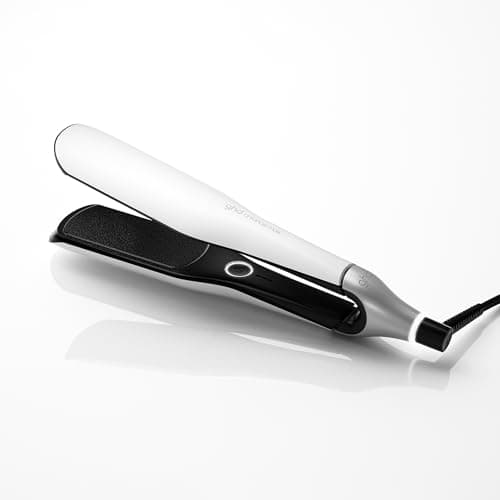
ghd Chronos Max: 2" plates at a fixed 365°F
 See price on AmazonAmazon
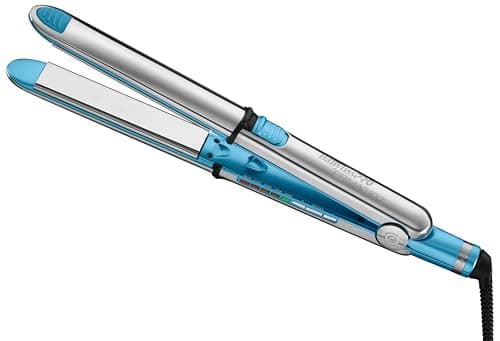
BaBylissPRO Prima3100 1": heated outer housing, 465°F