How-to
How to use the Dyson Airstrait
Published
Short answer
Towel dry your hair, detangle it, and choose the wet mode. Take sections about as wide as the arms, close the arms near the root and glide down slowly, repeating until each section is dry and smooth. Use the dry mode only for touch ups on already dry hair. Heat and airflow options differ by model, so check Dyson's specs and manual for yours.
Tools for this job
All 7 picks compared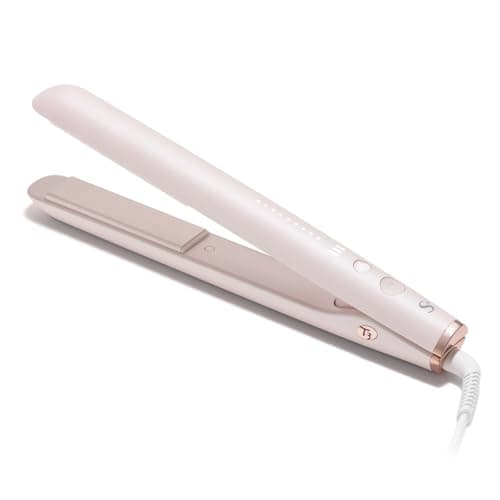
T3 SinglePass StyleMax 1": 9 settings, auto world voltage
See price on AmazonSee it on Amazon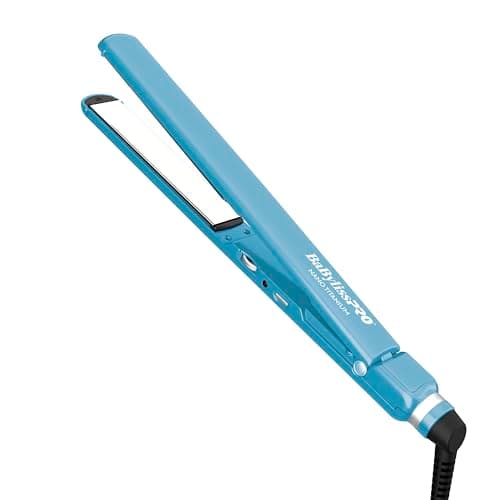
BaBylissPRO Ultra Thin 1": 50 settings up to 450°F
See price on AmazonSee it on Amazon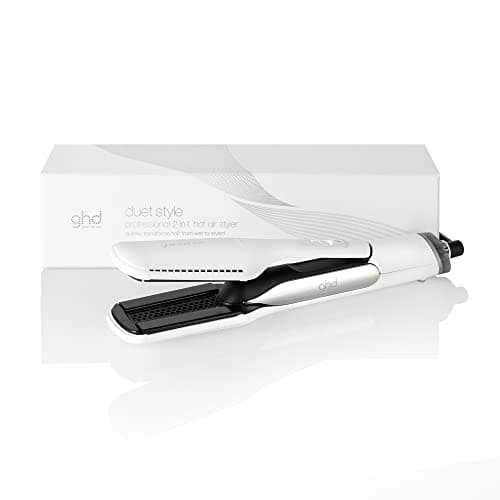
ghd Duet Style: hot air styler with 365°F Shine Shot mode
See price on AmazonSee it on Amazon
The Dyson Airstrait straightens with hot, high pressure airflow between two arms instead of heated plates, and it is designed to go from wet hair to a finished style. That changes the routine: you skip the blow dryer, but you work more slowly than with a flat iron. This page explains the steps, the difference between the wet and dry modes, section size, how many passes to expect, and what to clean. Specific temperatures and settings come from Dyson, so we point you to Dyson's own specs and manual rather than quoting numbers that can differ by model. For the design itself, see how the Dyson Airstrait works.
Before you start: what the Airstrait does differently
A flat iron presses hair between hot plates and is meant for dry hair. The Airstrait pushes heated air down through the hair held between its arms, so it dries and straightens at the same time. Dyson's Amazon listing describes it as a wet to dry straightener and says the machine senses when hair is between the arms and drops to low airflow when it is not.
The result is usually a smooth, straight finish with some movement rather than a pressed, glassy look. If you want very flat, sleek hair, a plate iron may still suit you better; see Dyson Airstrait vs a flat iron.
Prep your hair
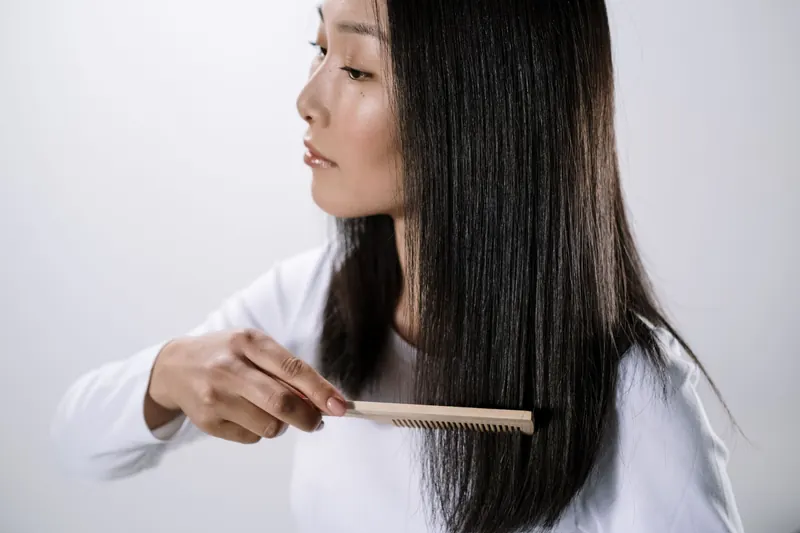
Wash and condition as usual. Towel dry until the hair is damp, not dripping. Detangle completely with a wide tooth comb; the arms glide best through hair with no knots. Apply your usual leave in or heat protectant if you use one, and follow the product's directions.
Divide your hair into a bottom layer and a top layer and clip up the top. Thick or long hair may need three or four layers. Working in tidy layers matters more with the Airstrait than with a flat iron because each section needs several passes to dry.
- Wide tooth comb
- Sectioning clips
- Towel
- Your usual leave in or heat protectant (optional)
Step by step in wet mode
- 1
Turn the Airstrait on and select the wet mode. Choose a heat and airflow setting per Dyson's guidance for your hair; start lower if your hair is fine.
- 2
Take a section about as wide as the arms and not too deep, so air can pass through all of it.
- 3
Close the arms around the section near the root, keeping them away from the scalp.
- 4
Glide down slowly and steadily to the ends. Moving slowly lets the airflow reach every strand.
- 5
Repeat on the same section until it feels dry and smooth. Thicker sections need more passes.
- 6
Move to the next section and work up through the layers.
- 7
Finish the top layer last, then check for damp spots at the nape and behind the ears and give them another pass.
Note.Keep the arms clear of your ears, eyes and skin, and keep loose clothing and jewelry away from the air inlet. Follow the safety instructions in Dyson's manual for your model.
Using the dry mode
The dry mode is meant for hair that is already dry, such as a second day touch up or smoothing a few pieces after air drying. Dyson qualifies its heat damage claim on the listing as applying when the machine is used in wet to dry mode, so read the manual before using dry mode often.
For dry hair, take small sections and make one or two slow passes. If your hair is very curly or coarse and you want a sleek finish on dry hair, a flat iron with adjustable heat may be the more practical tool. The flat iron temperature guide covers typical ranges.
Settings, timing and what to expect
The Airstrait has separate wet and dry modes and a choice of heat and airflow levels, plus a cool option on many units. Dyson publishes the exact figures, so check Dyson's specs for your model before relying on any number you see quoted. Our Airstrait heat and airflow settings page explains how to read them.
Timing depends on length, density and how wet your hair is when you start. Thick, long hair takes noticeably longer than a fine bob. Most people get faster after a few sessions once they find the right section size.
Starting point
- Wet mode
- Towel dried, damp hair
- Dry mode
- Fully dry hair
Main use
- Wet mode
- Dry and straighten in one routine
- Dry mode
- Touch ups and smoothing
Passes per section
- Wet mode
- Several, until dry
- Dry mode
- One or two
Where to check details
- Wet mode
- Dyson manual for your model
- Dry mode
- Dyson manual for your model
| Wet mode | Dry mode | |
|---|---|---|
| Starting point | Towel dried, damp hair | Fully dry hair |
| Main use | Dry and straighten in one routine | Touch ups and smoothing |
| Passes per section | Several, until dry | One or two |
| Where to check details | Dyson manual for your model | Dyson manual for your model |
Cleaning and care
Like other Dyson hair tools, the Airstrait has an air intake filter that collects lint and dust. A clogged filter reduces airflow and can make the machine run hot or stop. Unplug it and clean the filter as Dyson's manual describes, and wipe the arms with a dry cloth when cool. If the machine stops or shows an error, see Dyson Airstrait errors and reset.
If you are still deciding whether the routine suits you, read is the Dyson Airstrait worth it or compare it with other options in the best hair straighteners guide.
Frequently asked questions
Can you use the Dyson Airstrait on dry hair? Yes, it has a dry mode for already dry hair, typically for touch ups. Dyson designed it mainly for wet to dry use, and its heat damage claim is tied to wet to dry mode, so check the manual.
How wet should hair be for the Airstrait? Towel dried and damp, not dripping. Very wet hair takes longer to dry and may need more passes per section.
Why is my hair still damp after using the Airstrait? Usually the sections are too thick or the passes are too fast. Take narrower sections, glide more slowly and repeat until each section feels dry.
Where is the Dyson Airstrait user manual? Dyson provides manuals and support on its website for each model. Use the manual for your specific machine, since settings can differ.
What you need for this
- See price on AmazonAmazon
T3 SinglePass StyleMax 1": dedicated Curl Mode
 See price on AmazonAmazon
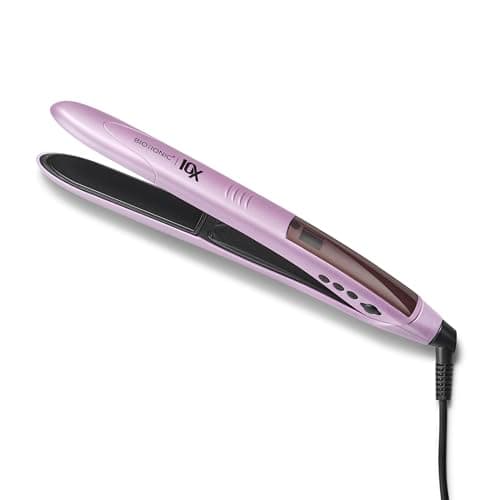
Bio Ionic 10X 1": rounded barrel and sonic plates
From Best flat irons for every hair type, compared by plate and heat
 See price on AmazonAmazon
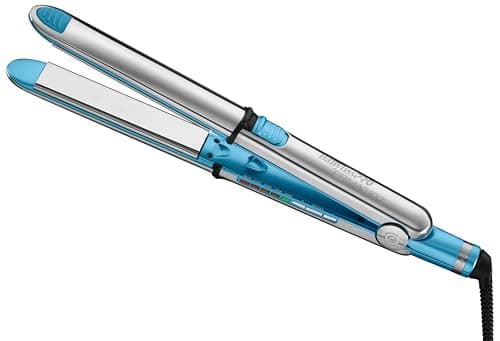
BaBylissPRO Prima3100 1": heated outer housing, 465°F