How-to
How to get beach waves with a curling iron or wand
Published
Short answer
Use a 1 1/4 to 1 1/2 inch barrel, wrap 1 to 2 inch sections away from the face and then toward it in turn, and leave the last inch or two of each section off the barrel. Let the waves cool, then rake them apart with your fingers. Leaving the ends straight and breaking up the curl is what makes it read as a wave.
Tools for this job
All 7 picks compared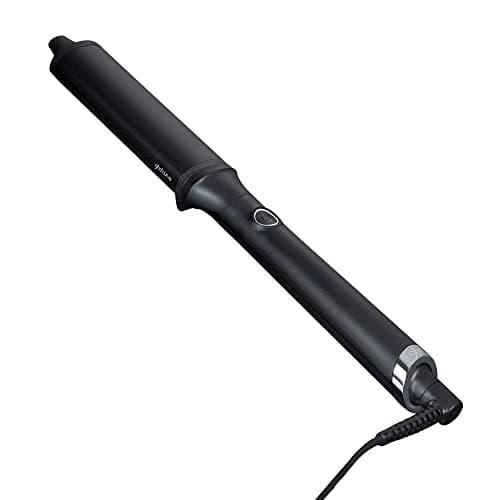
ghd Curve Classic Wave Wand: oval barrel for undone waves
See price on AmazonSee it on Amazon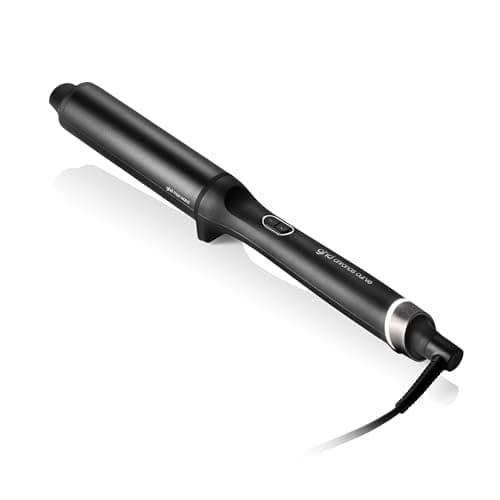
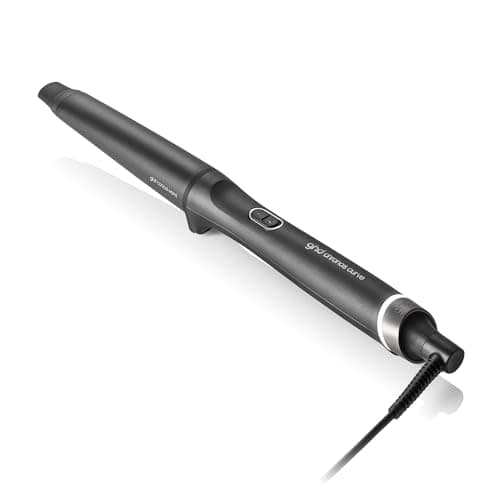
ghd Chronos Curve Max Wand 1.5": loose voluminous waves
See price on AmazonSee it on Amazon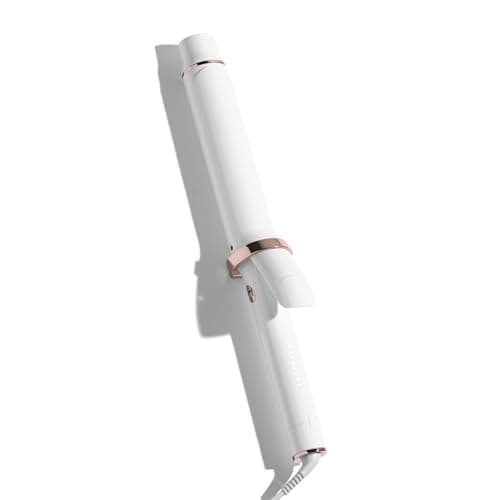
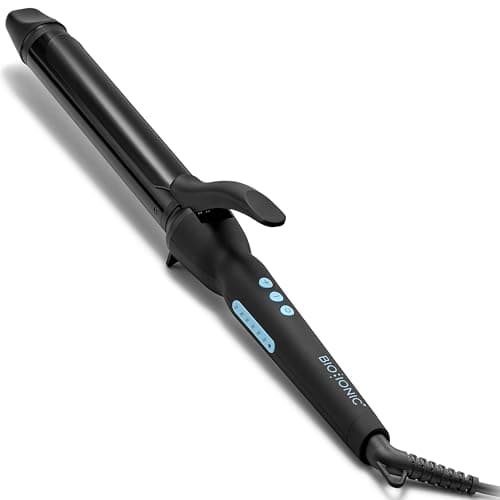
T3 SinglePass Curl X 1.5": loose curls and voluminous waves
See price on AmazonSee it on Amazon
This page is for anyone who wants loose, lived-in beach waves instead of tight, polished curls. It covers which barrel size to pick, how to wrap hair on a clipless wand versus a clamp iron, the three habits that turn a curl into a wave, typical heat ranges, and how to keep waves from either falling flat or looking too perfect. The steps work with most wands and irons, including fixed-temperature tools such as the ghd Curve range, which ghd lists at 365 F (185 C).
Choose the right barrel size
Beach waves come from bigger barrels. A 1 1/4 inch barrel gives loose curls that brush out into waves on most lengths. A 1 1/2 inch barrel gives an even softer bend on long hair. Oval or wave-shaped barrels, such as the ghd Curve Classic Wave Wand listed at 1 to 1.5 inches, are made for this look. Tapered wands give a mix of tighter and looser sections, which can look natural.
Length matters too. Hair should wrap around the barrel about two times to hold a shape, so chin length hair usually does better on a 1 inch barrel, while hair past the shoulders can use 1 1/2 inches. The barrel size picker matches length and look to a range.
- 3/8 in10 mmRinglets
- 1/2 in13 mmTight
- 3/4 in19 mmTight
- 1 in25 mmClassic
- 1 1/4 in32 mmLoose
- 1 1/2 in38 mmWaves
- 2 in51 mmVolume
1 inch
- Typical result
- Defined waves, more bounce
- Best on
- Short to shoulder length
1 1/4 inch
- Typical result
- Loose curls that brush into waves
- Best on
- Shoulder length and longer
1 1/2 inch
- Typical result
- Soft, open waves and body
- Best on
- Long hair
Oval or tapered wand
- Typical result
- Mixed, undone waves
- Best on
- Most lengths
| Barrel | Typical result | Best on |
|---|---|---|
| 1 inch | Defined waves, more bounce | Short to shoulder length |
| 1 1/4 inch | Loose curls that brush into waves | Shoulder length and longer |
| 1 1/2 inch | Soft, open waves and body | Long hair |
| Oval or tapered wand | Mixed, undone waves | Most lengths |
Wand or clamp iron for waves
A clipless wand is the faster route to beach waves. You wrap the hair around the barrel by hand, so it is easy to leave the ends out and vary the direction. Most wands come with a heat-resistant glove for the hand holding the hair. A clamp curling iron can do the same look: open the clamp, lay the section against the barrel, close the clamp only on the middle of the hair, and wrap, leaving the ends outside the clamp.
If you are choosing between them, our curling wand vs curling iron comparison covers the differences, and what is a curling wand explains the clipless design.
Step by step: beach waves with a wand
Work on clean, dry hair. If your tool has a dial, start at the low end of the typical range for your hair and raise it only if the waves drop. Typical maker guidance runs about 250 to 300 F for fine or damaged hair, 300 to 380 F for normal hair and 380 to 450 F for thick or coarse hair. Many people curl a little cooler than they straighten because the hair stays on the barrel longer.
- 1
Clip the top half of your hair up and start with the bottom layer.
- 2
Take a 1 to 2 inch section. Larger sections give looser waves.
- 3
Hold the wand pointing down and wrap the section flat around the barrel, starting a few inches from the root.
- 4
Stop wrapping about 1 to 2 inches before the ends and hold them with your gloved hand.
- 5
Hold for a few seconds, usually 5 to 10 depending on hair thickness, then slide the wand out.
- 6
Wrap the next section in the opposite direction.
- 7
Finish all layers, then let the waves cool fully.
- 8
Rake through with your fingers or shake out from the roots.
Note.Keep the barrel away from your scalp, face and neck. Wear the glove on the hand that holds the hair, and park the tool on its stand between sections.
Three habits that make waves look natural
Leave the ends out. Straight ends are the signature of beach waves. Fully curled ends look like a set of ringlets instead.
Alternate the direction. Wrapping one section away from the face and the next toward it keeps the waves from merging into one big curl. Around the face, many people wrap away from the face for an open look.
Break the curls up. Once they are cool, pull each wave apart with your fingers. A texture spray or a light hairspray adds grip if your hair is silky and slips.
Troubleshooting beach waves
Waves that fall flat usually mean the section was too thick, the hold time too short, or the curls were touched while warm. Waves that look too tight mean the barrel is too small for your length or you included the ends. If waves never hold no matter what, see hair won't hold a curl for the full checklist.
For more on technique with each tool, read how to use a curling wand and how to use a curling iron. For wand recommendations, see the best curling wands.
Frequently asked questions
What size curling wand is best for beach waves? A 1 1/4 to 1 1/2 inch barrel is the usual choice for shoulder length and longer hair. On shorter hair, a 1 inch barrel holds better because the hair can wrap around it more times.
Can you get beach waves with a curling iron instead of a wand? Yes. Clamp only the middle of the section, wrap, and leave the ends outside the clamp. Alternate directions and break the curls up once they cool, just as with a wand.
How long should I hold the wand for beach waves? Often 5 to 10 seconds per section, depending on thickness and heat. Fine hair needs less time. Hold for less time if the waves look too defined.
Why do my beach waves look like ringlets? The ends are probably wrapped on the barrel or the barrel is too small. Leave the last inch or two off and try a bigger barrel.